
Product Description
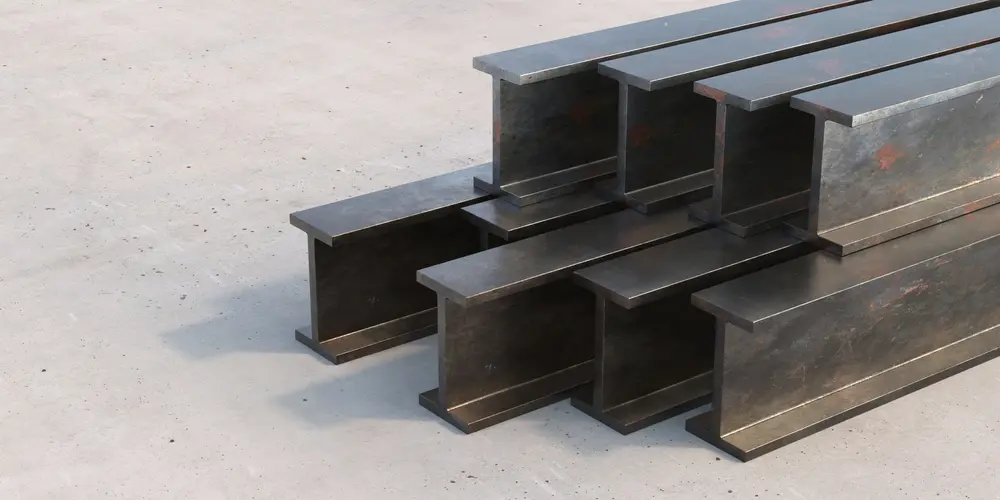
Steel beams (I-Beams and H-Beams) are the most critical and strategic structural profiles in the construction industry, designed to withstand stresses resulting from shear forces and bending moments. In large-scale industrial and construction projects, selecting the precise type, size, and steel grade of the beam directly impacts structural safety and project financial planning. Below is a detailed analysis of the technical specifications, types of steel beams, and key criteria for bulk procurement in high-scale projects.
Steel beams are classified into four main categories based on their cross-sectional shape and manufacturing standards:
This profile features an I-shaped cross-section with a constant flange thickness along its entire length. IPE is the most widely used steel beam in Iranian structural designs. The height of these beams ranges from 80 to 600 mm; however, sizes 12 to 30 experience the highest demand in the Iranian market. Structural blueprints in Iran are generally designed based on the IPE standard.
This profile is also I-shaped, but the thickness of its flanges is variable; the flange thickness decreases as it extends further from the web (having a sloped inner surface). The application of this type is limited in Iran, and it is primarily used in specific projects or imported structures.
In this cross-section, the flange width is equal to the web height, offering significantly higher resistance to shear and bending forces along both the x and y axes compared to IPE beams. H-beams are classified into three weight categories:
This profile is manufactured by cutting the web of standard IPE beams in a zigzag pattern and welding them back together. The purpose of this design is to increase the section modulus and bending resistance of the beam without adding extra weight. Its primary applications are in roof beams and secondary structural joists.
Steel beams are manufactured in various structural steel grades. Selecting the appropriate grade depends on the applied load and project requirements:
Identifying the manufacturing mill is crucial for quality control and verifying the weight of the beams against the Stahlbau Profile (Stahl Table):
For B2B suppliers and contractors, pricing fluctuates based on the following parameters:
1. Shipment Weight: In bulk transactions, steel beams are traded exclusively by weight (kilograms or metric tons), rather than by length or number of pieces.
2. Section Size: Highly consumed sizes (such as 14, 16, and 18) experience higher price volatility due to high demand.
3. Brand Reputation: ESCO beams always command a price premium compared to other brands due to their strict adherence to standard weight criteria.
Supplying steel sections for industrial projects requires quality assurance, authentic mill test certificates (MTC), and precisely scheduled logistics. Artan Foolad Pardis eliminates traditional market intermediaries, enabling the direct procurement of various IPE and H-Beams in high volumes.
For logistics planning, please note that the loading capacity of a standard flatbed trailer is 22 to 24 metric tons. To obtain real-time bundle-based pricing or to receive technical consultation for your project’s Bill of Materials (BOM), contact the sales experts at Artan Foolad Pardis. We deliver your orders accompanied by official invoices and a written guarantee of product authenticity.
Related Products
Product Reviews