
Product Description
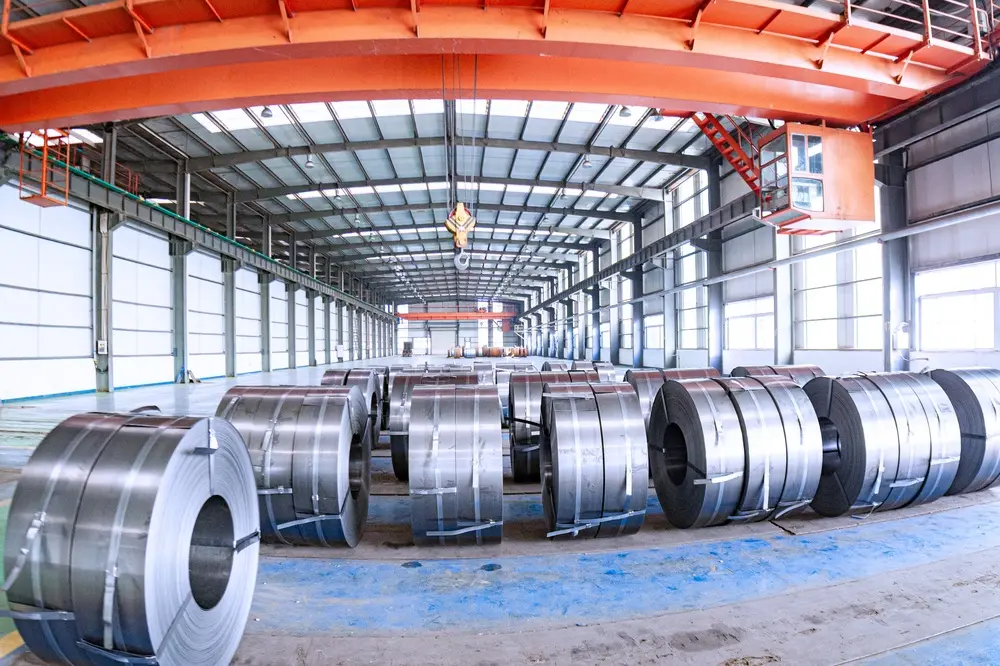
Steel sheet (or plate) is one of the most widely used metal sections, serving either as a finished product or as the primary raw material for manufacturing other steel sections such as pipes and profiles. In line with the product portfolio of Artan Foolad Pardis, the supply of steel sheets stands alongside our secondary structural profiles. For B2B industrial buyers, having a precise understanding of steel grades, production methods, and dimensional tolerances is essential.
Depending on the rolling process and heat treatment, steel sheets possess distinct mechanical properties and surface finishes:
These sheets are manufactured at high temperatures (typically above 930°C). Due to high-temperature oxidation, their surface has a dark, matte finish.
After undergoing an acid pickling process, hot rolled sheets are cold-reduced at room temperature. This process yields a smooth, polished finish, high surface quality, and outstanding dimensional accuracy. Their primary applications include the automotive industry, home appliances, and metal furniture.
To prevent corrosion and rusting, the sheet’s surface is coated with a layer of zinc (Zn). These sheets are extensively used in humid environments, for manufacturing greenhouse pipes, ventilation ducts, and corrugated roofing.
One of the most critical challenges when purchasing steel sheets is the thickness tolerance.
This principle applies directly to the sheets themselves. Rolling mills produce sheets within a permissible error margin (tolerance). For instance, a sheet with a nominal thickness of 2 mm might actually measure 1.9 mm or 2.1 mm. In high-tonnage orders, this millimeter-level deviation leads to a significant difference in the final cargo weight and invoice amount. International manufacturing standards define these tolerances precisely.
Industrial buyers must be able to estimate the product’s weight before physical weighing. The weight of steel sheets is calculated using the following formula:
Weight=L×W×T×7.85Weight = L times W times T times 7.85Weight=L×W×T×7.85
Related Products
Product Reviews