
Product Description
What is Rebar? A Complete Guide to Types, Technical Specifications, Applications, and Purchasing Rebar
What is Rebar?
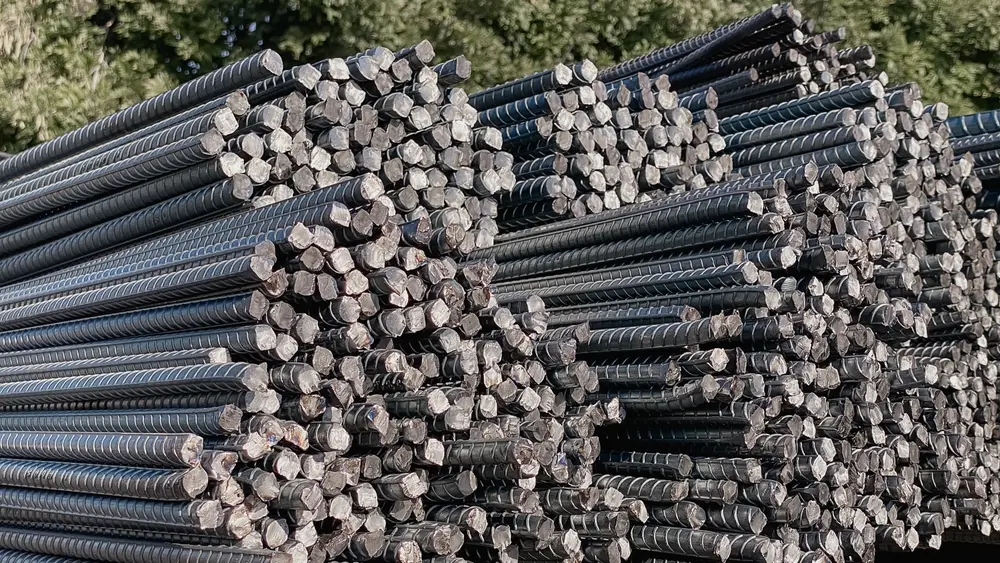
Rebar (Reinforcing Bar) is one of the most essential and widely used steel sections in the construction industry and civil engineering projects. It is used to increase the tensile strength of concrete. While concrete naturally possesses high compressive strength, its tensile strength is limited. Therefore, rebar is embedded within concrete to compensate for this weakness, allowing structures to resist various forces, including earthquakes, pressure, tension, and bending.
Rebar is manufactured from steel and is supplied to the market in various types, sizes, and standards. Today, the use of rebar is indispensable in the construction of residential, commercial, and industrial buildings, as well as bridges, dams, tunnels, power plants, oil and gas projects, and many other civil infrastructures.
As a specialized supplier of steel sections, Artan Foolad Pardis provides a comprehensive range of construction and industrial rebar, sourced from the most reputable domestic and international manufacturers.
Types of Rebar
A. Classification by Surface Appearance
Rebars are primarily divided into two categories based on their surface texture:
1. Smooth Rebar (Plain Bar)
Smooth rebar has a smooth surface without ribs or deformations. This type of rebar offers high flexibility and excellent weldability and bendability.
Applications of Smooth Rebar:
Key Features:
2. Deformed Rebar (Reinforcing Bar)
Deformed rebar features ribs or protrusions on its surface, which significantly increase the mechanical bond between the steel and the concrete. This is the most common type of rebar used in modern construction.
Advantages of Deformed Rebar:
B. Classification by Production Standard
1. A1 Rebar (Smooth Bar)
Technical Specifications:
Applications:
2. A2 Rebar (Helical Deformed Bar)
A2 rebar features a helical rib pattern and offers higher strength than smooth bars.
Technical Specifications:
Applications:
3. A3 Rebar (Ribbed/Diamond Deformed Bar)
A3 rebar is the most widely used construction rebar in Iran.
Technical Specifications:
Applications:
4. A4 Rebar (Composite/High-Strength Deformed Bar)
A4 rebar represents the next generation of structural rebar, offering extremely high strength.
Technical Specifications:
Applications:
C. Classification by Material Composition
1. Carbon Steel Rebar
The most common type used in the majority of construction projects.
Advantages:
2. Alloy Steel Rebar
Manufactured using various alloying elements to enhance properties.
Advantages:
3. Stainless Steel Rebar
Offers exceptional resistance to corrosion and moisture.
Applications:
4. Galvanized Rebar
The surface is protected with a zinc coating.
Advantages:
5. Epoxy-Coated Rebar
Features an epoxy resin coating for maximum corrosion protection.
Applications:
D. Classification by Size
Rebar size is determined by its nominal diameter, expressed in millimeters (mm). Common sizes include:
As the diameter increases, so does the weight and load-bearing capacity. The appropriate size must be selected based on engineering calculations and structural blueprints.
Factors Affecting Rebar Prices
Rebar prices are influenced by several key factors, including:
Due to these fluctuations, rebar prices change daily. Requesting an up-to-date quote before purchasing is highly recommended.
Purchasing Rebar from Artan Foolad Pardis
Leveraging extensive experience, a vast supply network, and partnerships with the country’s most prestigious steel manufacturers, Artan Foolad Pardis is ready to supply all types of construction and industrial rebar in all sizes, grades, and standards.
Why Partner with Artan Foolad Pardis?
For professional technical consultation, real-time price inquiries, or to place an order, please contact the Artan Foolad Pardis specialists.
Related Products
Product Reviews